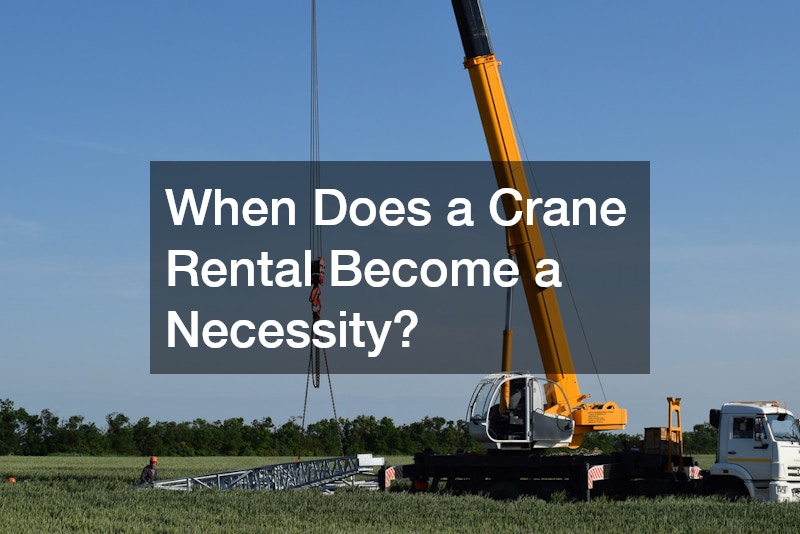
In industries involving heavy lifting and construction, the utilization of cranes has long been a staple of efficient operations. Understanding when renting a crane becomes necessary is integral to optimizing both time and cost in project management. A significant factor is the scale of the project. Projects of a large scale often cannot afford delays, making the availability of the right equipment crucial. Renting a crane provides the advantage of access to various types of machines tailored to specific needs.
Additionally, owning a crane might not be feasible for companies that have limited use for it. The cost of purchasing, maintaining, and storing such heavy machinery can be exceedingly high. Through crane rental services, companies have the flexibility to choose the exact crane that fits their project’s requirements without incurring long-term costs. For instance, if a project requires a high-reaching tower crane for a few months, it may not be practical to purchase one. Renting becomes particularly appealing for short-term projects or specialized tasks.
Moreover, crane rental companies often offer extensive support services, including transportation, setup, and operation training. This additional support can be a crucial deciding factor for construction managers. By renting a crane, businesses can also ensure they have access to the latest technology and models available. This means that they are not stuck with outdated equipment and can take advantage of advancements in crane efficiency and safety features. These benefits make understanding crane rental necessities vital for cost-effective construction management.
Analyzing Project-Based Considerations for Crane Rental
When considering crane rental, the specific requirements and timeline of a project play a pivotal role. Each project has unique demands that can affect the decision to rent or not. For example, the load to be lifted, the height, and the distance over which items need to be moved can dictate the type of crane required. Some projects might require multiple types of cranes, which makes renting a more practical solution. Renting also alleviates the need for long-term storage solutions, as cranes can be returned post-project.
Certain projects might also encounter unforeseen delays or changes, impacting crane usage. In such cases, the flexibility provided by rental agreements can prevent financial overload. Rental agreements often include terms that can accommodate adjustments, whether it’s extending the rental period or swapping cranes. By choosing to rent, companies are also often relieved from the hefty monthly financial outlay associated with owning a crane. These logistical benefits make crane rentals a judicious choice for project managers.
Furthermore, wise selection of crane rental can enhance safety conditions on-site. When using rented equipment, companies benefit from regularly serviced and inspected machines. Rental companies employ skilled technicians to ensure that their fleet meets safety standards. By ensuring equipment reliability and access to expert assistance, companies can reduce the risk of accidents, thus maintaining a safer work environment. This focus on safety further emphasizes the importance of knowing when to opt for a crane rental.
Financial Implications of Crane Rental vs. Ownership
Financial considerations are a major aspect of deciding between crane rental and ownership. For many companies, renting eliminates the financial burden of an upfront purchase and ongoing costs. Owning a crane involves fixed costs such as storage, insurance, taxes, and routine maintenance. These ongoing expenses can strain resources, especially for smaller companies or for those with sporadic crane needs. Renting offers a flexible financial option with predictable costs, allowing companies to allocate budget to other project areas.
Another significant financial implication is the potential for depreciation of owned equipment. Cranes, like other machinery, depreciate over time, reducing their resale value. Businesses opting to rent equipment sidestep the pitfalls of depreciation. Rather than investing a substantial amount in a depreciating asset, companies can utilize resources more efficiently by renting. For businesses mindful of their financial health, weighing the costs and benefits of crane rental is essential.
Additionally, rented cranes are typically more cost-effective in terms of technological investment. Suppliers often carry the latest models with enhanced efficiencies and capabilities, which clients can access without the burden of a steep purchase. This access to updated technology can lead to heightened productivity and lower operational costs. Through renting, organizations can benefit from the latest crane advancements without the need to commit significant capital. These financial advantages help cement the place of crane rentals as a crucial asset in modern project execution.
Case Studies Highlighting the Necessity of Crane Rental
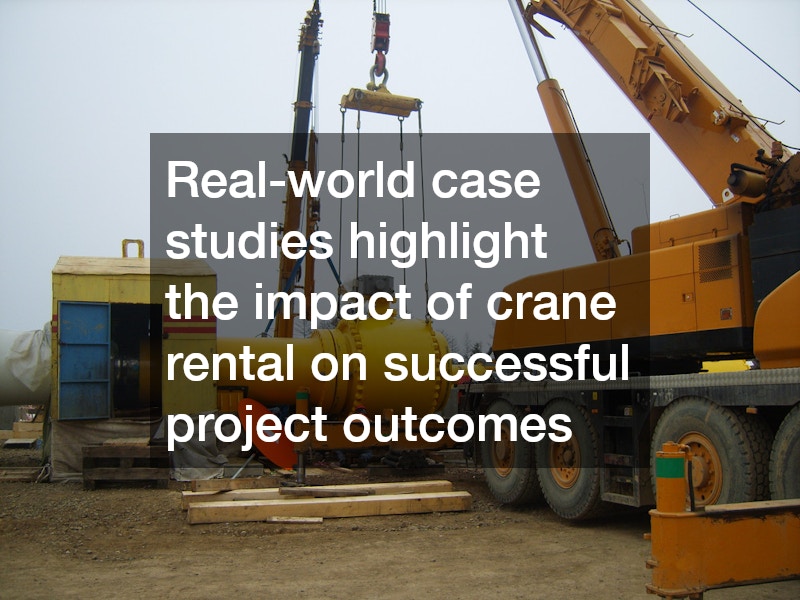
Real-world case studies highlight the impact of crane rental on successful project outcomes. In urban development, for instance, many skyscrapers and high-rise buildings rely heavily on rented cranes for structural growth. These highly complex projects benefit significantly from the logistical flexibility and cost savings provided by rental options. Notable case studies demonstrate how crane rentals have facilitated effective and efficient construction timelines, contributing to timely project completion. By learning from these examples, companies can better understand the advantages of utilizing crane rentals in similar scenarios.
In another scenario, infrastructure projects such as bridges or highways often require specialized cranes capable of handling unique construction challenges. These projects frequently encounter unpredictable elements such as weather disruptions or changes in regulations, which call for adaptable equipment solutions. Renting cranes allows project managers to swiftly respond to these challenges while maintaining project integrity and safety. Case studies from such large-scale ventures offer valuable insights into the necessity of crane rental for achieving project objectives smoothly.
Further, case studies indicate that crane rentals can notably reduce downtime associated with equipment failure. Rental agreements often include contingency plans, such as quick replacement of malfunctioning machines or provision of additional support. This minimizes disruptions to project timelines and showcases the importance of having access to a reliable fleet. These examples not only underscore the logistical efficiencies provided by rentals but also highlight their role in safeguarding project viability and financial stability. Understanding these cases allows businesses to make informed decisions regarding their equipment procurement strategies.