Modern commercial properties serve many purposes, from providing office space and welcoming customers to supporting manufacturing, retail, hospitality, and distribution operations. Regardless of their intended use, these buildings require consistent attention to remain functional, safe, and appealing. Property owners and managers must consider everything from routine maintenance and building security to accessibility, construction, and waste management.
As businesses evolve, their physical spaces must also adapt. Changing employee expectations, customer needs, technology, and operational requirements can influence how commercial properties are designed and maintained. A building that once served its purpose effectively may eventually need renovations, upgraded equipment, or additional space to accommodate new demands.
Understanding these responsibilities can help property owners make informed decisions about maintaining and improving their investments. In this article, we’ll examine several important needs of modern commercial properties, including facility maintenance, safety, construction, property management, and the services that support successful business environments.
1. Prioritize Building Maintenance and Safety
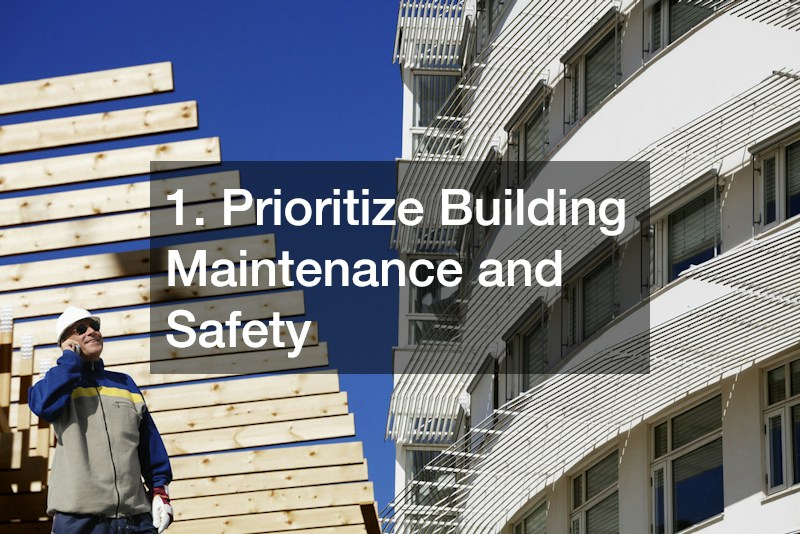
Commercial properties experience regular use from employees, customers, vendors, and visitors. This activity can contribute to wear and tear throughout the building, making consistent maintenance essential. Addressing potential problems early can help property owners maintain comfortable environments and reduce the likelihood of unexpected disruptions.
Maintain Doors, Windows, and Entryways
Entryways are among the most frequently used areas of commercial buildings. Retail stores, office complexes, restaurants, and medical facilities may experience hundreds of daily interactions involving doors and other access points.
Glass doors are particularly common in modern commercial architecture because they allow natural light into interior spaces and create an open appearance. However, frequent use can eventually affect their hardware, hinges, handles, and glass components.
Professional commercial glass door repairs can help property managers address problems such as damaged glass, malfunctioning closers, loose hardware, and doors that no longer open or close properly.
Maintaining these features is important for both convenience and safety. A door that does not close securely may affect building security, while damaged glass can create hazards for employees and visitors.
Property managers should periodically inspect entryways and address signs of deterioration before they interfere with daily operations. Depending on the building’s design, maintenance may also involve checking automatic doors, access controls, weatherstripping, and surrounding frames.
Establish Routine Cleaning Schedules
Cleanliness influences how employees and visitors experience a commercial property. Dust, debris, spills, and accumulated waste can make a building appear neglected while potentially affecting indoor conditions.
A comprehensive cleaning schedule should account for different areas of the property. Lobbies, restrooms, hallways, break rooms, kitchens, and shared workspaces may all require different cleaning frequencies.
Businesses should also pay attention to areas that are not immediately visible to customers. Mechanical rooms, storage areas, ventilation systems, and utility spaces need appropriate maintenance to support the building’s overall operation.
Establishing clear cleaning responsibilities can help property managers maintain consistency. Whether services are handled internally or through outside providers, documented schedules make it easier to track completed tasks and identify areas that need additional attention.
Protect Sensitive Business Information
Commercial properties often contain confidential documents, employee records, financial information, customer details, and other sensitive materials. Managing these records responsibly is an important part of maintaining a secure business environment.
When documents are no longer needed, simply placing them in ordinary waste containers may create unnecessary information security risks. Professional secure document shredding provides a way to destroy sensitive paper records so their contents cannot be easily reconstructed.
Businesses should establish clear document retention and disposal policies. Employees need to understand which materials require secure destruction and how outdated records should be handled.
This is particularly important for organizations that manage personal information, financial records, contracts, and confidential business communications. Proper document disposal practices can support internal security procedures while helping organizations manage accumulated paperwork.
2. Prepare Commercial Properties for Seasonal Conditions
Weather can influence nearly every part of a commercial property. Temperature changes, precipitation, wind, and seasonal storms may affect building exteriors, parking areas, landscaping, and mechanical systems.
Property managers should account for local weather patterns when developing maintenance schedules. Preparing ahead of time can help reduce disruptions and protect important building features.
Keep Parking Areas and Walkways Accessible
Parking lots, sidewalks, loading areas, and building entrances experience regular traffic throughout the year. During winter, snow and ice can make these surfaces difficult to navigate.
A professional commercial snow removal service can help businesses maintain accessible parking areas and pedestrian pathways during winter weather. Depending on the property’s size and layout, services may include plowing, snow relocation, sidewalk clearing, and ice management.
Businesses should establish winter maintenance plans before severe weather arrives. Identifying priority areas, determining service schedules, and coordinating responsibilities can help prevent confusion when snow accumulates.
Entrances and accessible parking spaces deserve particular attention because employees, customers, and visitors need reliable access to the building. Property managers should also consider drainage patterns to prevent melting snow from creating additional ice hazards.
Inspect Exterior Building Materials
Commercial building exteriors are exposed to changing weather conditions throughout the year. Rain, sunlight, temperature fluctuations, and wind can contribute to deterioration in roofing materials, siding, sealants, and other structural components.
Regular inspections can help identify cracks, loose materials, damaged flashing, and areas where moisture may enter the building. Addressing these issues early can reduce the possibility of more extensive repairs.
Property managers should also inspect exterior drainage systems. Gutters, downspouts, and surface drains need to remain clear so water can move away from the building appropriately.
Seasonal inspections are particularly useful because certain concerns may become more noticeable after periods of heavy rainfall, freezing temperatures, or strong winds.
Maintain Heating and Cooling Systems
Heating, ventilation, and air conditioning systems play an important role in commercial building operations. Employees need comfortable workspaces, while certain businesses require controlled indoor conditions to protect equipment, inventory, or products.
Routine HVAC maintenance may include replacing filters, inspecting mechanical components, checking thermostats, and evaluating system performance. Property managers should follow manufacturer recommendations and schedule professional servicing when necessary.
Proper maintenance can help identify developing mechanical problems and reduce the risk of unexpected equipment failures. It can also provide opportunities to evaluate whether existing systems are appropriate for the building’s current occupancy and usage requirements.

3. Understand the Importance of Commercial Construction and Renovation
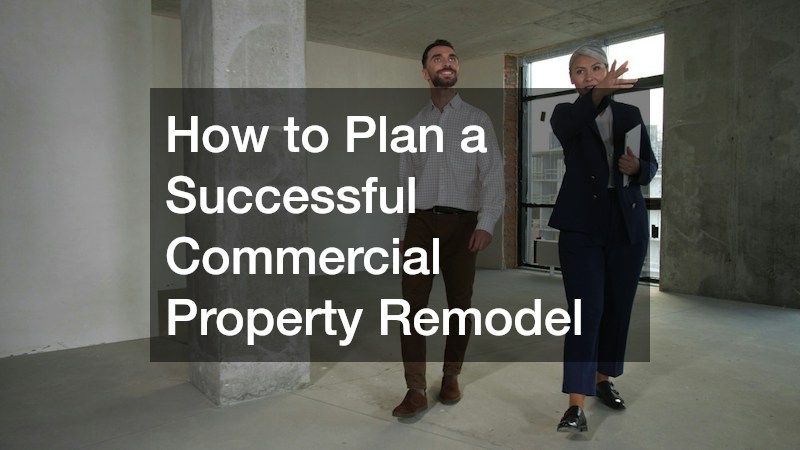
Commercial properties do not remain static. Businesses expand, tenants change, operational requirements evolve, and building materials eventually need replacement. Renovations and construction projects allow property owners to respond to these changes.
However, commercial construction requires careful planning because projects can affect employees, tenants, customers, and surrounding properties.
Work With Experienced Construction Professionals
Commercial construction projects often involve multiple trades, specialized equipment, building regulations, and detailed project schedules. Choosing qualified professionals is important for keeping these activities organized.
A knowledgeable commercial construction contractor can help coordinate different phases of a project, from initial planning and material selection to construction and final inspections.
Depending on the scope of work, projects may involve structural modifications, interior renovations, exterior improvements, accessibility upgrades, or expansions. Each type of project requires an understanding of applicable building requirements and construction procedures.
Property owners should evaluate contractors based on experience, licensing where required, insurance, references, and their ability to manage projects of similar complexity.
Clear communication is equally important. Written agreements should outline the project’s scope, expected timeline, responsibilities, payment terms, and procedures for addressing unexpected changes.
Select Appropriate Building Materials
Material selection can influence a commercial property’s durability, appearance, maintenance requirements, and construction costs. Different projects require different materials depending on their intended use and environmental conditions.
For example, commercial plywood supplies may be used in various commercial construction and renovation applications, including sheathing, partitions, subflooring, and other building components.
Choosing appropriate plywood involves considering thickness, grade, moisture exposure, structural requirements, and the intended application. Not every product is suitable for every environment, so contractors should evaluate specifications before purchasing materials.
Property owners should also consider the long-term performance of materials. Products that are appropriate for a building’s expected use may help reduce premature deterioration and future maintenance demands.
Working with reliable suppliers can make it easier for construction professionals to obtain consistent materials and coordinate deliveries with project schedules.
Coordinate Concrete Work and Specialized Equipment
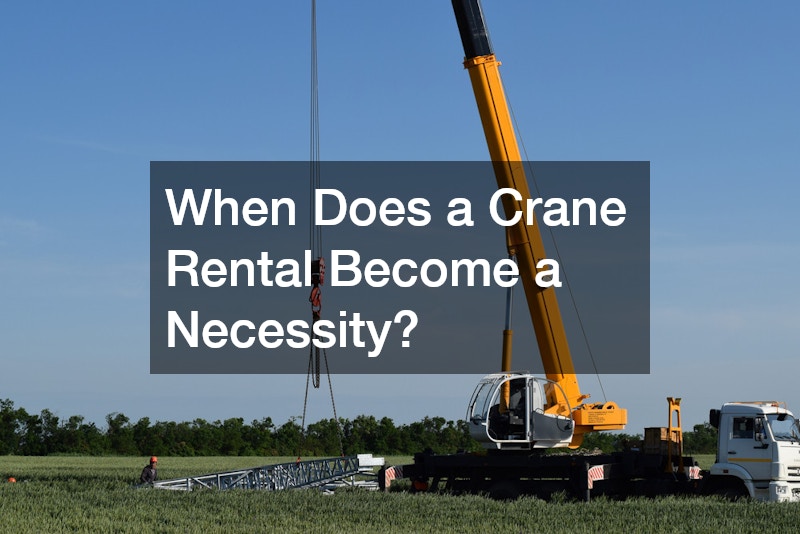
Concrete is widely used in commercial construction for foundations, structural elements, floors, parking areas, and other building features. Larger projects may require specialized equipment to transport and place concrete efficiently.
A commercial concrete pumping company can provide equipment and services for moving concrete from delivery vehicles to specific areas of a construction site.
Concrete pumping may be particularly useful when projects involve elevated areas, restricted access, large placement distances, or locations that are difficult to reach with conventional equipment.
Before scheduling this work, project managers should coordinate site access, equipment placement, delivery timing, and safety requirements. Proper preparation helps reduce interruptions and supports a more organized construction process.
4. Manage Waste and Storage During Commercial Projects
Construction, renovations, and everyday business activities can generate substantial amounts of waste. Without an organized disposal process, accumulated debris may interfere with operations and create unnecessary safety concerns.
Commercial properties need waste management plans that account for the building’s purpose, occupancy, and maintenance requirements.
Arrange Appropriate Waste Disposal
Different commercial projects produce different types and quantities of debris. Office renovations may generate discarded furniture, packaging, and construction materials, while warehouse improvements may involve larger quantities of bulky waste.
Commercial roll off dumpsters can provide designated disposal areas for approved construction debris and other project-related waste. These containers are available in different sizes, allowing businesses and contractors to select an option based on anticipated disposal needs.
Before renting a container, property managers should consider available placement areas, access for delivery vehicles, project duration, and the types of materials being discarded.
It is also important to understand disposal restrictions. Certain materials may require specialized handling or separate disposal arrangements, depending on local regulations and provider policies.
Planning waste removal before work begins can help maintain a cleaner construction site and prevent debris from interfering with employees, customers, and contractors.
Create Organized Storage Areas
Commercial properties often contain supplies, equipment, inventory, and maintenance materials that need designated storage locations. Without an organized system, items can accumulate in hallways, work areas, and other spaces intended for different purposes.
Property managers can improve organization by evaluating existing storage capacity and identifying areas that are not being used efficiently.
Shelving systems, cabinets, labeled storage containers, and designated inventory zones can make it easier for employees to locate necessary materials. Storage layouts should also account for weight limits, access requirements, and applicable safety standards.
Keeping frequently used supplies accessible while storing less frequently needed materials in designated areas can improve workflow and reduce unnecessary clutter.

5. Support the Specialized Needs of Different Commercial Facilities
Not every commercial property has the same maintenance requirements. A restaurant operates differently from an office building, warehouse, retail center, or medical facility.
Property managers should develop maintenance plans that reflect the building’s actual use rather than relying on a generic checklist.
Maintain Commercial Kitchen Ventilation
Restaurants, cafeterias, hotels, and institutional kitchens rely on specialized ventilation systems to manage heat, smoke, grease, and airborne cooking byproducts.
Over time, grease can accumulate in kitchen exhaust hoods, filters, ductwork, and related components. This buildup can affect ventilation performance and contribute to fire hazards.
Professional commercial kitchen hood exhaust cleaning helps remove accumulated grease from designated system components. Cleaning requirements depend on the type of cooking equipment, cooking volume, and applicable fire and safety standards.
Property managers and restaurant operators should establish cleaning schedules based on the facility’s actual usage and relevant requirements.
Maintaining ventilation equipment is an important part of operating a commercial kitchen. It can support appropriate airflow, help reduce grease accumulation, and contribute to a safer working environment.
Consider Occupant and Customer Requirements
Commercial spaces should be designed and maintained around the people who use them. Employees may need comfortable work areas, sufficient lighting, reliable restrooms, and convenient access to shared facilities.
Customers and visitors may prioritize clear signage, accessible entrances, clean public spaces, and straightforward navigation throughout the building.
Property managers should periodically evaluate how different groups interact with the space. For example, a retail property may need clearly marked customer pathways, while an office building may benefit from additional collaborative areas.
Accessibility should also remain an important consideration. Entrances, restrooms, elevators, parking areas, and interior pathways should be evaluated against applicable accessibility requirements.
6. Make Informed Commercial Property Decisions
Whether an organization owns a building or leases its space, selecting and managing commercial property involves several considerations. Location, building condition, available space, operating costs, and future business requirements can all influence the decision.
Evaluate Properties Before Leasing
Businesses looking for new locations should consider more than square footage and monthly rent. The property’s condition and suitability for the intended operation are equally important.
When evaluating a commercial property for lease, organizations should consider parking availability, building access, utility capacity, layout, accessibility, and proximity to customers or suppliers.
A retail business may prioritize visibility and customer traffic, while a warehouse operation may need loading access, sufficient ceiling height, and appropriate storage capacity.
Potential tenants should also review lease terms carefully. Responsibilities for repairs, maintenance, utilities, insurance, and property improvements should be clearly understood before signing an agreement.
Inspecting the property before committing can help identify concerns that may affect future occupancy. Businesses should also determine whether planned modifications are permitted under the lease and local building regulations.
Plan for Business Relocation
As organizations grow or change their operating models, relocating may become necessary. Moving to another commercial property can provide additional space, improve access to customers, or accommodate different operational requirements.
However, commercial moving involves coordinating more than furniture transportation. Businesses may need to relocate computers, office equipment, inventory, machinery, confidential records, and specialized materials.
A successful relocation requires advance planning and clear communication. Management should establish an inventory, identify essential equipment, coordinate transportation, and determine which departments need to resume operations first.
Businesses should also communicate relocation details to employees, customers, suppliers, and other relevant contacts. Updating business listings, delivery instructions, and contact information can help minimize confusion after the move.
Planning the transition around operational priorities can reduce downtime and help employees adjust to the new environment.

7. Develop a Long-Term Commercial Property Management Strategy
Maintaining a commercial property involves numerous responsibilities, and these tasks become more manageable when they are organized into a long-term strategy.
Rather than treating every maintenance issue as an isolated problem, property owners can develop a comprehensive plan that addresses recurring responsibilities, future improvements, and potential risks.
Establish Maintenance Budgets
A maintenance budget helps property owners prepare for routine expenses and larger repairs. These costs may include equipment servicing, cleaning, landscaping, exterior maintenance, inspections, and replacement materials.
Property managers should review previous expenses and consider the age and condition of important building systems when estimating future costs.
It is also useful to maintain a reserve for unexpected repairs. Even properties with consistent maintenance schedules may experience equipment failures or weather-related damage.
Separating routine maintenance expenses from major capital improvements can make financial planning more organized.
Maintain Accurate Property Records
Documentation is an important part of effective property management. Inspection reports, repair invoices, equipment warranties, contractor agreements, and maintenance schedules can all provide useful information.
Keeping these records organized makes it easier to track completed work and identify recurring issues. It can also help property managers make decisions about replacing equipment or scheduling future improvements.
Digital recordkeeping systems can simplify this process by allowing authorized personnel to access important information when needed.
Evaluate Building Performance Regularly
Commercial property needs can change as occupancy levels, business operations, and technology evolve. Regular evaluations help property owners determine whether existing facilities continue to meet their intended purposes.
For example, an office building may need upgraded lighting or additional electrical capacity to accommodate new equipment. A warehouse may require different storage arrangements as inventory levels change.
Reviewing building performance can also reveal opportunities to improve energy efficiency, reduce unnecessary expenses, and make spaces more functional.
Property managers should consider feedback from tenants and employees because they often recognize operational inconveniences that may not be obvious during routine inspections.
Modern commercial properties require a combination of consistent maintenance, thoughtful improvements, and specialized services to remain functional and welcoming. From building repairs and seasonal preparation to construction, waste management, and facility-specific maintenance, each responsibility contributes to the property’s overall performance.
By understanding these needs and planning ahead, property owners and managers can make informed decisions that support employees, tenants, customers, and business operations. A proactive approach to commercial property management can help protect building investments while creating spaces that remain useful, safe, and adaptable as business needs change.